
The UK’s AI Copyright Reversal: What It Means for Artists and Their Royalties
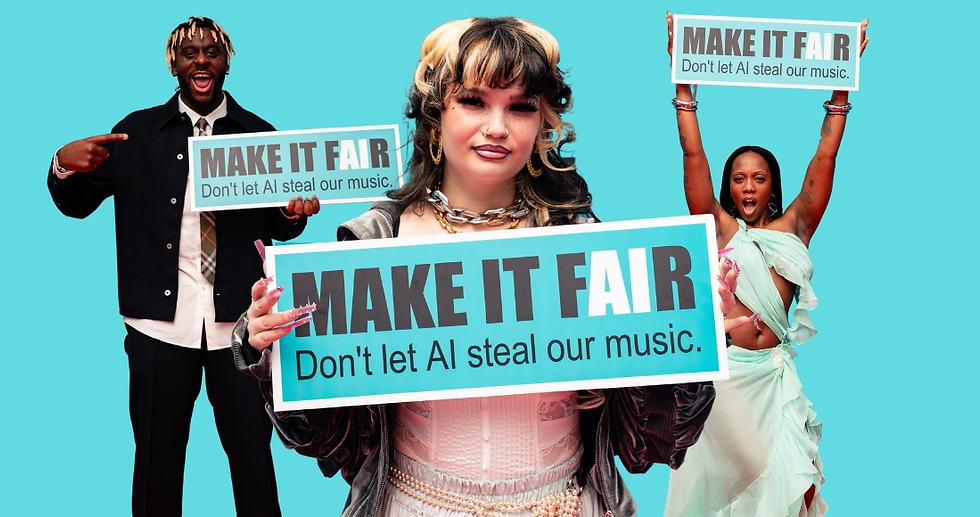
The UK government made a significant decision on March 18, 2026, when it abandoned a controversial plan that would have allowed AI companies to train their systems on copyrighted music without asking for permission. This move marks a major win for human creators, especially musicians and producers who feared losing control over their work. This post explains what this victory means for artists and music lovers, how it protects royalties, and why the industry now calls for a clear framework to keep things fair.
What Was the Controversial Plan?
The UK government had proposed a rule that would let AI firms use copyrighted music to train their algorithms without needing permission from the original creators. This meant AI could analyze and learn from songs, beats, and melodies owned by artists and labels, then generate new music based on that data. The plan aimed to boost AI development but raised serious concerns about copyright infringement and fair pay.
Many artists, producers, and major labels argued this would let Big Tech companies “scrape” their sound without compensation. They feared losing royalties and creative control, as AI-generated music could flood the market without proper credit or payment to the original creators.
Why This Reversal Is a Victory for Human Creators
By ditching the plan, the UK government sided with artists and music rights holders. This decision:
Protects royalties: Artists keep the right to earn money from their original work. AI companies can no longer use copyrighted music freely to train their models without paying or getting permission.
Respects creative ownership: Musicians maintain control over how their music is used, preventing unauthorized copying or imitation by AI.
Supports fair competition: The move prevents Big Tech from gaining an unfair advantage by exploiting copyrighted content without sharing profits.
This victory sends a clear message that human creativity deserves respect and protection, even as technology advances.

How This Affects Music Creators and Producers
For music creators, this change means their work is safer from being used without consent. Producers who worry about their unique sounds being copied by AI can feel more secure. Here’s what artists should know:
You have more control over how your music is used in AI training.
You can negotiate licenses if AI companies want to use your work, ensuring fair payment.
Your royalties are protected, so you continue to earn from your creations.
Your creative identity stays intact, reducing the risk of AI-generated music diluting your style.
This decision encourages artists to keep innovating, knowing their rights are defended.
Why the Industry Wants a Clear Framework
While the reversal is a win, the music industry is pushing for a clear, transparent set of rules to handle AI and copyright going forward. A “CLEAR” framework means:
Clear rules on how AI can use copyrighted music.
Licensing systems that make it easy for AI firms to get permission and pay royalties.
Enforcement mechanisms to stop unauthorized use.
Accountability for AI developers and companies.
Respect for artists’ rights at every stage.
Such a framework would balance innovation with fairness, allowing AI to grow without harming creators.
What This Means for Music Listeners
Music fans might wonder how this affects them. The reversal helps ensure that the music they love comes from artists who are fairly rewarded. When creators earn royalties, they can invest more in making new music. This means:
More original music from human artists.
Better quality and diversity as creators stay motivated.
Transparency about how AI influences music production.
Listeners can enjoy music knowing it supports the people behind it.

Examples of Potential Impact
Imagine a popular producer whose signature sound is copied by an AI without permission. Under the old plan, the AI could train on that sound freely, then create similar tracks that compete with the original. The producer might lose income and recognition.
Now, with the reversal, the producer can refuse unauthorized use or demand payment. This protects their livelihood and creative reputation.
Another example is a small independent artist whose songs are used by AI firms. Without protection, they might never see royalties. The new approach ensures even smaller creators have rights and can benefit financially.
What Artists Should Do Next
Artists and producers should stay informed and take these steps:
Register your works with copyright organizations to ensure legal protection.
Follow industry updates on AI and copyright laws.
Join artist groups advocating for fair AI policies.
Consider licensing options if approached by AI companies.
Protect your unique sound by documenting your creative process.
Being proactive helps artists safeguard their rights in a changing landscape.
Final Thoughts
The UK’s decision to reverse the AI copyright plan is a strong win for music creators. It protects royalties, respects creative ownership, and pushes for a fair system where AI and artists can coexist. For musicians worried about their sound being scraped by Big Tech, this is a reassuring step.


Comments