
The Iconic Samples Behind 2026's Most Anticipated Hits
Sampling has shaped music for decades, but in 2026 it has taken center stage in some of the year’s biggest hits. Artists are not just borrowing sounds; they are reimagining and transforming classic tracks into fresh, powerful statements. This post explores how some of 2026’s most popular songs use samples to build emotional depth, connect with music history, and push creative boundaries. We’ll reveal the original songs behind these samples and explain why sampling remains a dominant force in today’s music scene.
Luhh Dyl’s ‘Holdin Back’ and the Raw Emotion of Pinegrove’s ‘Need 2’
Luhh Dyl’s track Holdin Back stands out for its emotional intensity, which owes much to the sample from Pinegrove’s cult-classic Need 2. Pinegrove is known for blending indie rock with heartfelt lyrics, and Need 2 carries a raw, vulnerable energy. Luhh Dyl taps into this by sampling the song’s melancholic guitar riff and subtle vocal textures.

This choice creates a bridge between indie and hip-hop, giving Holdin Back a layered feeling of introspection and honesty. The sample isn’t just a background element; it drives the mood and supports Luhh Dyl’s lyrical themes of restraint and emotional conflict. The way the sample is woven in shows respect for the original while making it distinctly part of Luhh Dyl’s sound.
Kendrick Lamar’s ‘TV Off’ and the Return to Monk Higgins’ Soulful Roots
Kendrick Lamar has a long history of digging deep into rare soul and jazz samples, and TV Off continues this tradition. This track samples Monk Higgins, a soul artist whose work Kendrick previously sampled on Not Like Us. The choice of Monk Higgins reflects Kendrick’s ongoing commitment to connecting contemporary hip-hop with the rich textures of 1960s and 70s soul.

The sample in TV Off is subtle but powerful, featuring a smooth horn section and laid-back groove that contrast with Kendrick’s sharp, socially conscious lyrics. This blend of old and new creates a timeless feel, showing how sampling can honor musical heritage while pushing forward.
Justin Bieber’s ‘DAISIES’ and the Heavy Flips of Eminem and New Edition
On his project SWAG, Justin Bieber uses sampling in bold ways, especially on the track DAISIES. This song flips samples from legends like Eminem and New Edition, layering them to create a fresh sound that still nods to hip-hop and R&B history.

The Eminem sample adds an edge, bringing a gritty, rhythmic intensity, while the New Edition sample injects smooth, soulful melodies. Bieber’s use of these samples shows how artists can blend different eras and genres to craft something new. The production uses modern techniques to keep the samples crisp and integrated, avoiding the cluttered feel that can sometimes come with heavy sampling.
J. Cole’s ‘SAFETY’ and the Power of Queen Latifah’s ‘U.N.I.T.Y.’
J. Cole’s SAFETY samples Queen Latifah’s 1993 classic U.N.I.T.Y., a song that championed respect and empowerment. By incorporating this sample, J. Cole taps into the original’s message while adding his own perspective on safety and self-respect in today’s world.
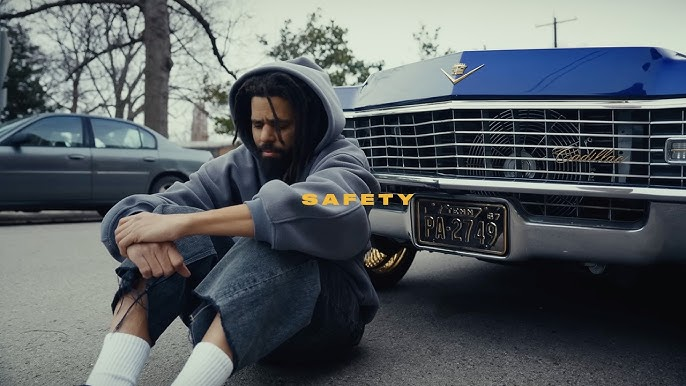
The sample is instantly recognizable, with its strong vocal hook and rhythmic beat. J. Cole uses it to anchor his track, creating a connection between past and present struggles. This sampling choice highlights how music can be a conversation across generations, with artists building on each other’s work to address ongoing social themes.
French Montana & Max B’s ‘One Night’ and the Disco Vibe of KC & The Sunshine Band
One Night, a collaboration between French Montana and Max B, brings back the upbeat energy of disco by sampling KC & The Sunshine Band’s That’s the Way (I Like It). The original track’s infectious rhythm and catchy melody are central to the new song’s vibe.

This sample injects a danceable groove that contrasts with the rappers’ verses, creating a dynamic mix of nostalgia and modern flair. The use of disco elements in hip-hop shows how genres continue to blend, with sampling acting as the bridge. The track’s success proves that classic sounds still resonate strongly with today’s audiences.
Why Sampling Dominates Music in 2026
Sampling’s prominence in 2026 is no accident. This year’s Grammy Awards highlighted how sample-based albums are not only commercially successful but critically acclaimed. Kendrick Lamar and Miley Cyrus both won major awards for projects that heavily rely on samples, showing that this approach is respected by the industry.
One reason sampling sounds better than ever is the advancement of stem separation technology. This tech allows producers to isolate vocals, instruments, and beats from original recordings with incredible clarity. As a result, samples can be flipped and integrated more cleanly, avoiding muddiness and preserving the quality of the source material.
Sampling also offers artists a way to connect with music history and bring familiar sounds to new audiences. It creates layers of meaning and emotion that can deepen a song’s impact. In 2026, sampling is both a creative tool and a cultural statement.
The Future of Sampling in Music
As technology improves and artists continue to explore the possibilities of sampling, it will remain a key part of music production. The examples from 2026 show that sampling is not just about reusing old sounds but about creating new stories and emotions. It invites listeners to discover the originals while enjoying fresh interpretations.
For music fans, understanding the samples behind hits adds a new dimension to listening. It reveals the connections between artists and eras, enriching the experience. For creators, it offers endless inspiration and a way to honor the past while shaping the future.
Sampling in 2026 is a powerful reminder that music is a living, evolving art form. It thrives on collaboration across time and style, making every hit a part of a larger musical conversation.


Comments