
The Rise of the Waterfall Release Strategy: How Singles are Shaping Music Marketing
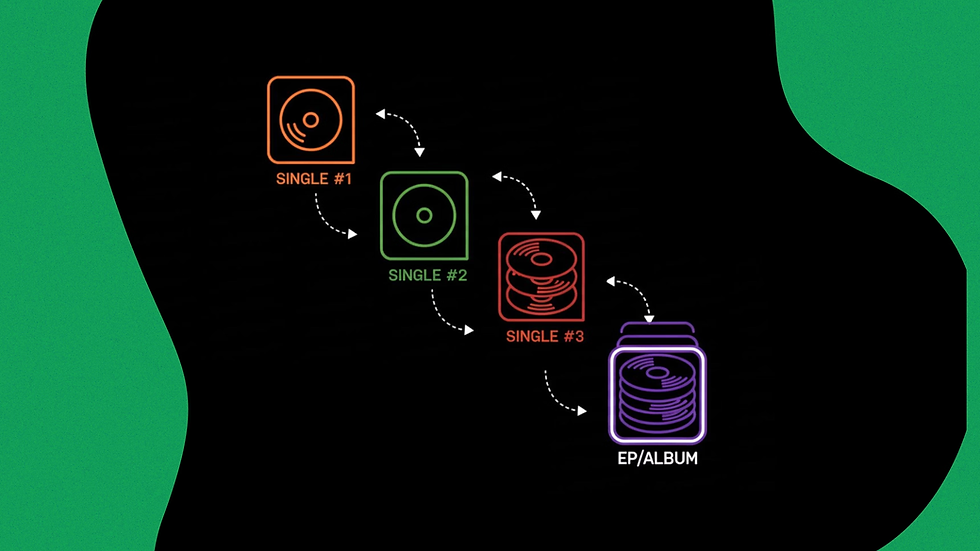
The traditional album drop is losing its grip on the music industry. Independent artists are shifting away from releasing full albums all at once. Instead, they are adopting a new approach called the Waterfall Release Strategy. This method involves releasing a single every five to six weeks, creating a steady stream of new music that keeps listeners engaged and algorithms working in their favor. This post explores how this strategy builds momentum, why it works, and how artists like Russ have used it to build long-term success.
How the Waterfall Strategy Builds Momentum
The key to the Waterfall Release Strategy lies in consistency. Instead of dropping an entire album and hoping it gains traction, artists release singles regularly. This approach triggers Spotify’s Release Radar playlist repeatedly, which is a personalized playlist that updates weekly with new music from artists a user follows or listens to.
Each new single acts like a fresh signal to the algorithm, increasing the chances of being featured in playlists and reaching new listeners. This constant presence keeps the artist’s name circulating and builds momentum over time. It also encourages fans to stay engaged, as they anticipate new releases every few weeks.
This strategy contrasts sharply with the traditional album drop, where all songs are released at once. After the initial excitement, the album often fades from playlists and listener attention. The Waterfall Strategy keeps the artist relevant for months, even years, by spacing out releases.
Why Singles Are More Effective Than Albums Today
Several factors make singles more effective in today’s music landscape:
Streaming Culture: Listeners prefer playlists and singles over full albums. They often add individual songs to their libraries rather than entire albums.
Algorithmic Advantage: Streaming platforms reward frequent releases with better playlist placements.
Fan Engagement: Regular releases keep fans excited and talking about the artist.
Revenue Flow: Singles generate steady income rather than a one-time spike from an album release.
By focusing on singles, artists can build a long-term relationship with their audience and maintain a steady presence in the market.
Russ and the Power of Consistency
Russ, an independent artist known for his DIY approach, is a classic example of the Waterfall Release Strategy in action. Over several years, Russ released singles consistently, sometimes every few weeks. This approach helped him build a loyal fan base and maintain control over his music and career.

Russ’s frequent releases kept him in Spotify’s Release Radar and other algorithmic playlists, which expanded his reach without relying on major label support. His strategy led to long-term ownership of his music and financial independence, proving that consistent, frequent drops can create lasting wealth.
Russ’s success shows that artists don’t need to wait for a big album launch to make an impact. Instead, they can build momentum gradually, one single at a time.
Practical Tips for Artists Using the Waterfall Strategy
If you are a music creator considering this approach, here are some practical tips:
Plan Your Releases: Schedule singles every 5–6 weeks to keep a steady flow of new music.
Promote Each Single: Use social media, email lists, and collaborations to maximize reach.
Engage Your Audience: Share behind-the-scenes content, stories about the songs, and interact with fans.
Analyze Performance: Use streaming data to understand what works and adjust your strategy.
Maintain Quality: Don’t sacrifice song quality for quantity. Each single should be strong enough to stand on its own.
This approach requires discipline but offers a clear path to building a sustainable music career.
The Future of Music Marketing
The Waterfall Release Strategy reflects a broader shift in how music is consumed and marketed. As streaming platforms continue to dominate, artists who adapt to algorithm-driven discovery will have an advantage. Releasing singles regularly keeps artists visible and relevant, helping them build a fan base that grows over time.
This strategy also empowers independent artists to take control of their careers without relying on traditional album cycles or major labels. By focusing on consistent, quality releases, artists can create lasting connections with fans and generate steady income.
For music creators, the takeaway is clear: embrace the power of singles and use the Waterfall Release Strategy to build momentum and ownership in your music career.


Comments