
The Lo-Fi Revolution: How to Embrace Analog Imperfections

Your music might sound too perfect. In a world filled with pristine digital recordings and polished productions, many musicians find their tracks lacking character or warmth. The rise of AI and high-tech software has made it easier than ever to create flawless sounds, but this perfection can sometimes strip away the soul of the music. That’s why a growing number of artists are turning back to older gear and analog techniques to add texture, grit, and nostalgia to their work.
This guide explores how you can intentionally degrade your audio to capture that sought-after lo-fi vibe. From classic 4-track cassette recorders to modern pedals designed to mimic analog imperfections, you’ll learn practical ways to make your music feel more human and emotionally engaging.
Why Perfect Audio Can Feel Cold
Digital recording offers incredible clarity and control. You can edit every note, fix every timing issue, and remove all background noise. While this sounds ideal, it often results in music that feels sterile or mechanical. The tiny imperfections in analog recordings—tape hiss, slight pitch fluctuations, and subtle distortion—add warmth and personality.
Listeners often connect more deeply with music that sounds lived-in and imperfect. These flaws create a sense of intimacy and nostalgia, reminding us of the analog era when music was recorded on tape and played on vinyl. The lo-fi sound taps into this emotional response by embracing imperfection.
How to Add Grit and Texture to Your Music
Use a 4-Track Cassette Recorder
One of the most popular tools for degrading audio is the 4-track cassette recorder, like the Tascam Portastudio. These devices record on magnetic tape, which naturally introduces warmth, compression, and tape saturation. The limitations of tape—such as hiss, wow and flutter, and limited frequency response—force you to make creative decisions that shape your sound.

Tips for using a 4-track recorder:
Record multiple takes on separate tracks and bounce them down to free up space, which adds natural compression.
Experiment with tape speed and bias settings if your machine allows it.
Use tape saturation to add harmonic distortion by pushing levels close to the tape’s limits.
Don’t be afraid of tape hiss; it adds character and can be balanced in the mix.
Incorporate “Toy” Keyboards and Vintage Synths
Instruments like the Casio SK-1 are beloved for their quirky, lo-fi sound. These keyboards often have limited bit depth and sample rates, which create a grainy, nostalgic tone. Using these instruments alongside your main gear can add unique textures that contrast with clean digital sounds.

Try Digital Tools That Simulate Analog Degradation
If you don’t have access to vintage gear, modern pedals and plugins can help. The Chase Bliss Lossy pedal is a great example. It intentionally reduces bit depth and sample rate, creating a crunchy, degraded sound that mimics old digital gear or tape.
Other plugins offer tape saturation, vinyl crackle, and wow/flutter effects. These tools let you dial in the exact amount of degradation you want without leaving your digital audio workstation.
Practical Steps to Degrade Your Audio
Record with Analog Gear
Start by tracking your instruments or vocals through a cassette recorder or analog mixer. Accept the noise and imperfections as part of the sound.
Add Saturation and Distortion
Use tape saturation plugins or pedals to add warmth. Push levels to create natural distortion without clipping harshly.
Reduce Bit Depth and Sample Rate
Lowering these settings digitally can simulate old digital gear or early samplers. The Chase Bliss Lossy pedal or plugins like iZotope Vinyl can help.
Layer Textures
Combine clean digital sounds with degraded layers. For example, double a vocal track with a tape-recorded version to add depth.
Use Noise and Artifacts Creatively
Tape hiss, vinyl crackle, and background noise can enhance the mood. Don’t remove every imperfection; instead, mix them in subtly.
Experiment with Tape Speed and Pitch
Slightly slowing down or speeding up tape playback creates pitch shifts and warble effects that add movement.
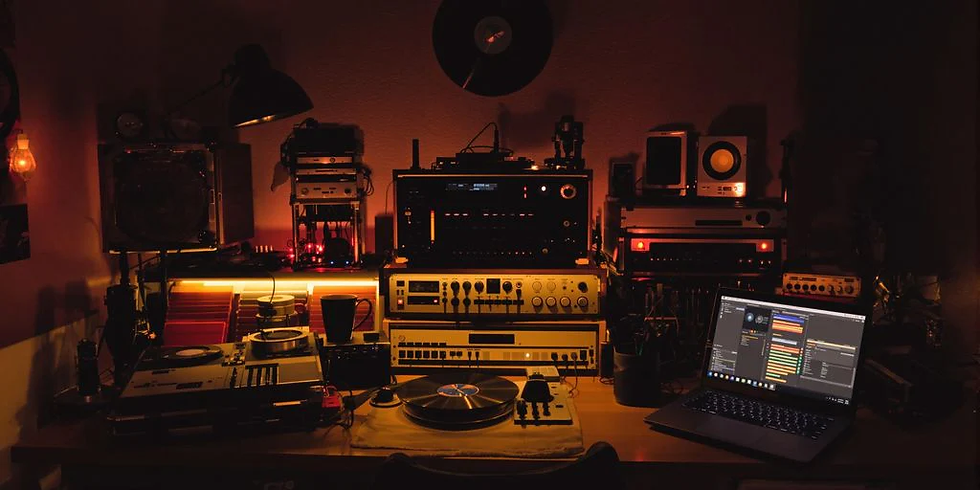
Example Setup for Lo-Fi Recording
Instrument: Electric guitar or keyboard
Recorder: Tascam Portastudio 424 MkIII (4-track cassette)
Effects: Chase Bliss Lossy pedal for bit reduction, tape saturation plugin on DAW
Additional: Casio SK-1 for toy keyboard textures
Record the guitar on tape, add the Casio keyboard digitally, then run the mix through the Lossy pedal. Finally, add a touch of vinyl crackle plugin for atmosphere.
Why This Trend Is Growing in 2026
The surge in lo-fi music reflects a desire for authenticity in a digital age. As AI and software make music production easier, artists seek ways to stand out with unique textures and emotional depth. Lo-fi gear and techniques offer a hands-on, tactile experience that reconnects musicians with the physicality of sound.
This trend also taps into nostalgia for the 80s and 90s, when cassette tapes and early samplers defined music production. Using these tools today creates a bridge between past and present, blending old-school charm with modern creativity.
Final Thoughts
If your music sounds too perfect, try embracing imperfection. Using analog gear like the Tascam Portastudio or pedals like the Chase Bliss Lossy can add warmth, grit, and personality to your tracks. Experiment with tape hiss, bit reduction, and vintage keyboards to create a sound that feels alive and nostalgic.



Comments